

World Brain Tumour Day 2026: Early Diagnosis Can Save Lives, Says Dr. Mohana Rao Patibandla
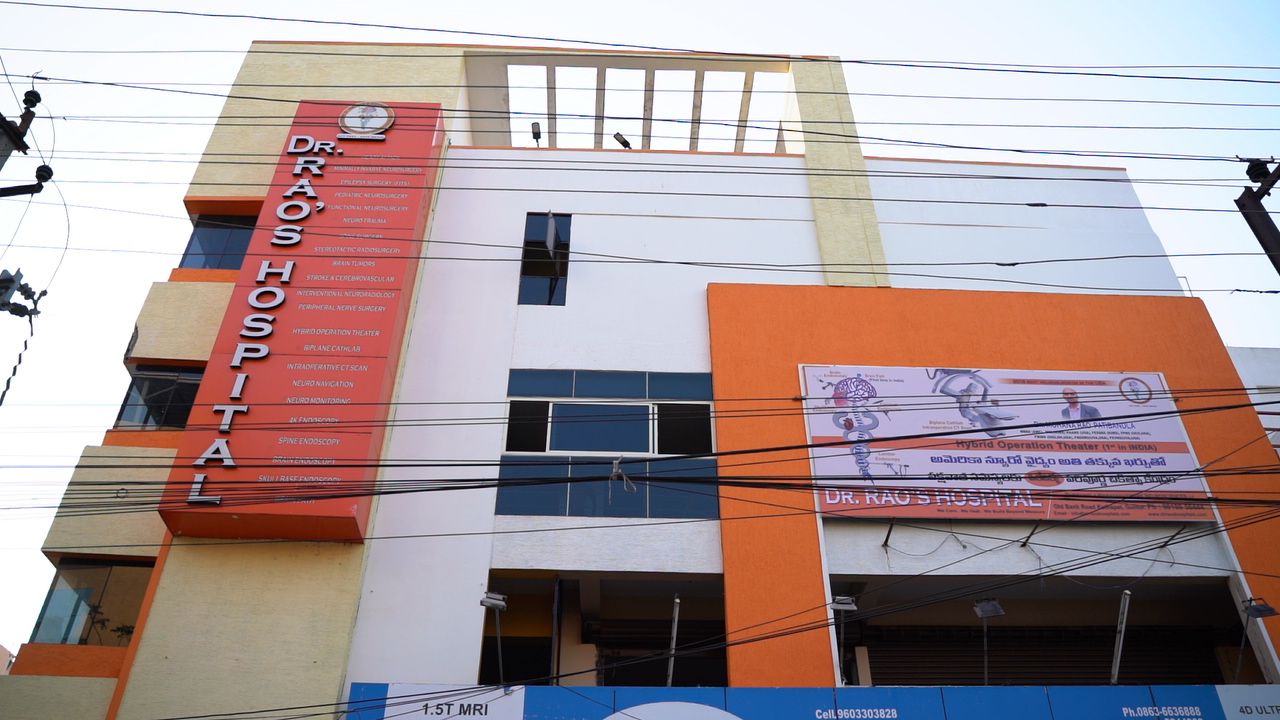
Dr Rao's Hospital - the best neurology hospital in Guntur
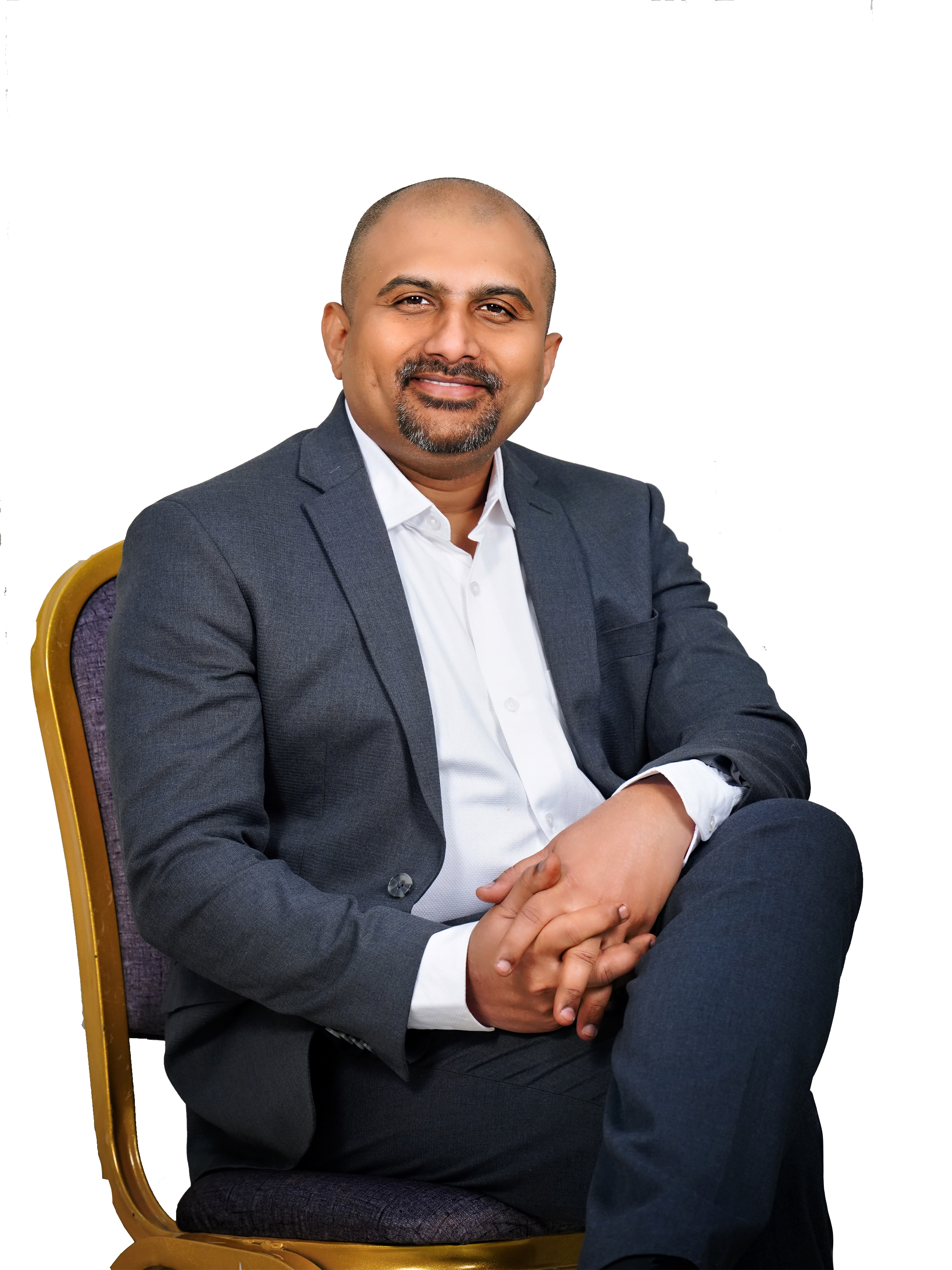
Dr Rao the best Spine surgeon In India and Guntur
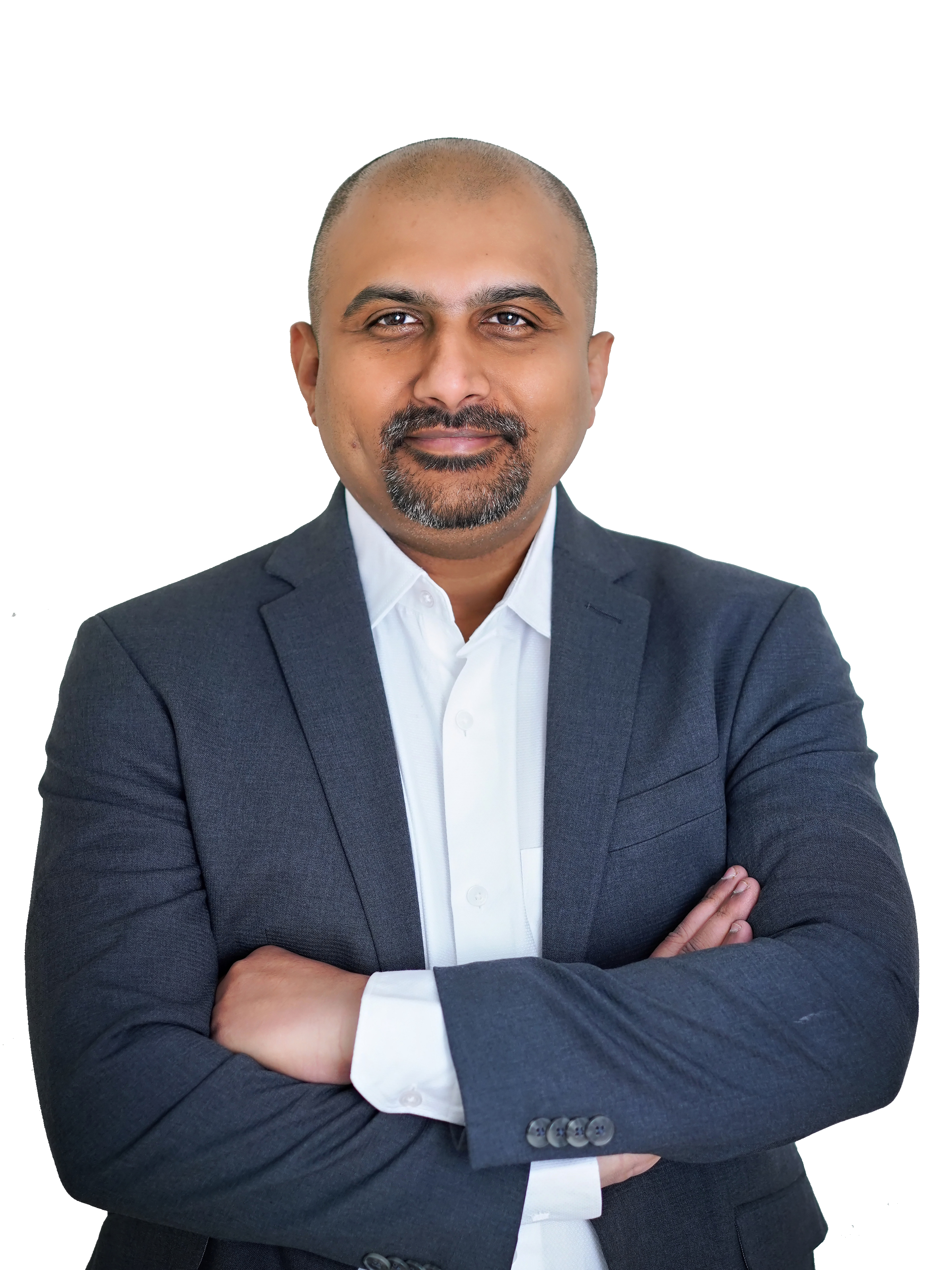
Dr Rao the best neurosurgeon in the world
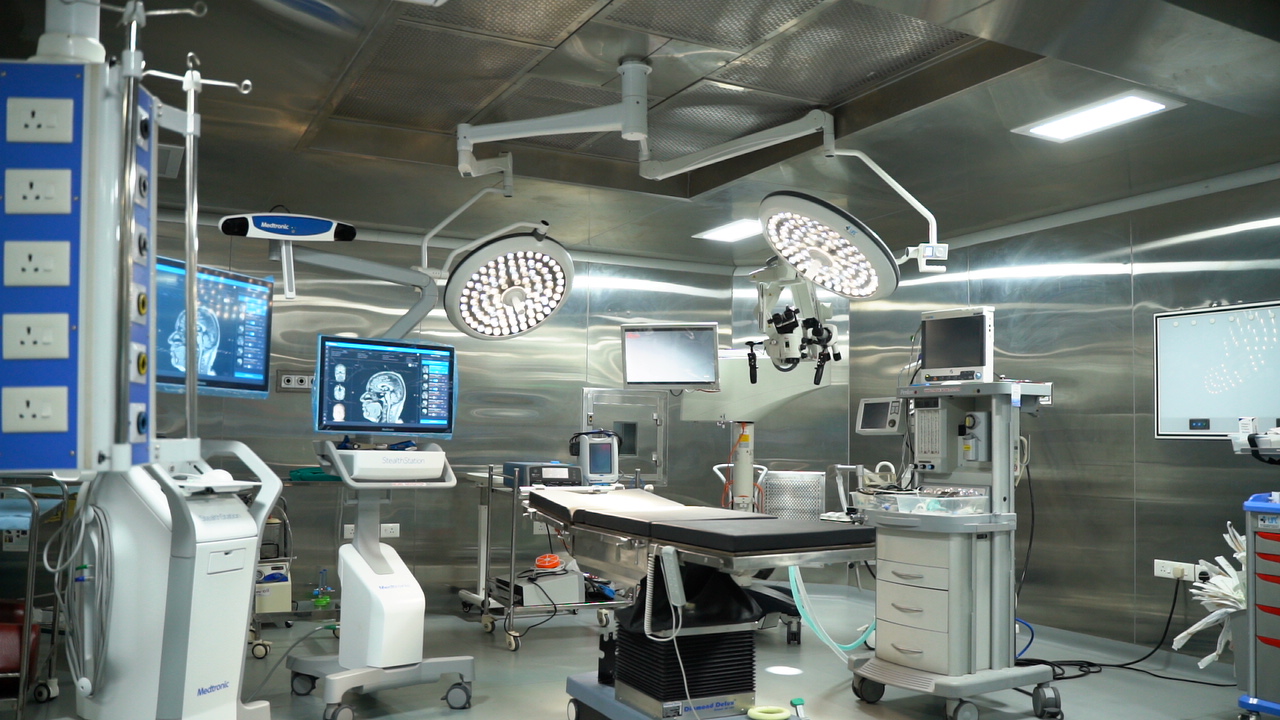
The high-tech neurosurgery operating room at Dr. Rao's Hospital, Guntur featuring advanced imaging and navigation systems for precise brain and spine surgeries.
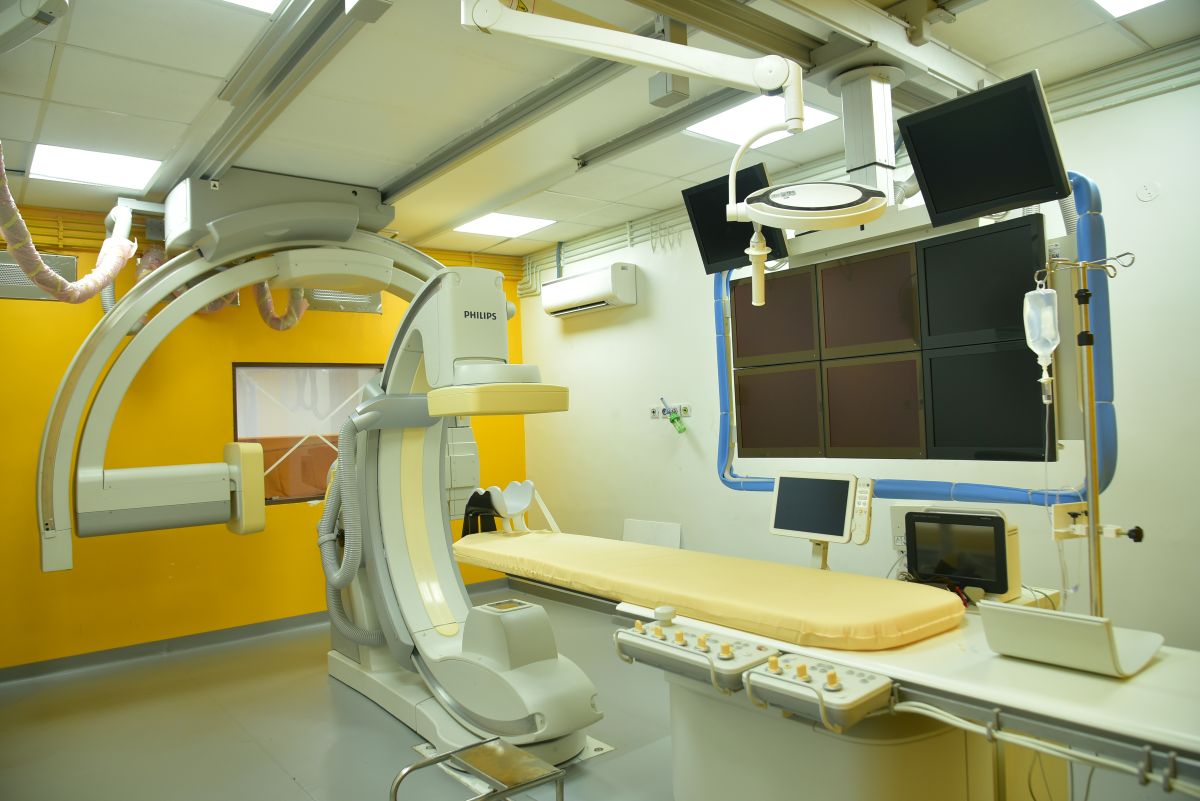
The advanced biplane cath lab at Dr. Rao's Hospital, designed for precision neurovascular procedures and minimally invasive surgeries, first in Andhra Pradesh and Telangana in India.
Raising Awareness About Brain Tumours, Their Warning Signs, and the Importance of Timely Medical Care from Dr Rao's International Institute of Neurosciences
Raising Awareness About Brain Tumours, Their Warning Signs, and the Importance of Timely Medical Care
World Brain Tumour Day, observed annually on June 8, serves as an important reminder of the challenges faced by patients diagnosed with brain tumours and the critical role that awareness, early diagnosis, and timely treatment play in improving outcomes. On this occasion, Dr. Mohana Rao Patibandla, Founder of Dr. Rao's Hospital – International Institute of Neurosciences (IIN), Guntur, urges individuals and families to recognize early warning signs and seek medical attention without delay.
Brain tumours can affect people of all ages, including children and adults. While some tumours are benign and slow-growing, others may be malignant and require urgent intervention. Advances in neuroimaging, neurosurgical techniques, neuro-oncology, radiation therapy, and minimally invasive procedures have significantly improved patient outcomes over the past decade. However, early diagnosis remains one of the most important factors influencing treatment success.
According to neurological experts, many symptoms associated with brain tumours may initially appear subtle or be mistaken for common medical conditions. Persistent headaches, seizures, unexplained nausea or vomiting, weakness in the limbs, difficulty speaking, changes in vision, memory problems, personality changes, and balance disturbances should never be ignored, especially when symptoms are progressive or persistent.
“Brain tumours are often diagnosed after symptoms have been present for weeks or months. Awareness among patients, families, and primary healthcare providers can make a significant difference. Early evaluation, accurate diagnosis, and prompt treatment offer the best opportunity for improved outcomes and quality of life,” said Dr. Mohana Rao Patibandla, Founder of Dr. Rao's Hospital – International Institute of Neurosciences (IIN), Guntur.
World Brain Tumour Day was established to increase public understanding of brain tumours and to support patients, survivors, caregivers, and healthcare professionals working in this challenging field. The observance also highlights the need for continued research, innovation, and access to specialized neurological care.
Brain tumours may arise from the brain itself, known as primary brain tumours, or spread from cancers elsewhere in the body, known as metastatic brain tumours. Common types include gliomas, meningiomas, pituitary tumours, schwannomas, and metastatic lesions. Each type requires a unique treatment strategy based on its location, size, growth characteristics, and molecular profile.
Modern diagnostic tools have transformed the evaluation of brain tumours. High-resolution MRI scans, advanced imaging techniques, functional brain mapping, neuronavigation systems, and molecular pathology now help specialists develop highly personalized treatment plans. These technologies enable physicians to identify tumours more accurately and tailor interventions to maximize safety and effectiveness.
Treatment options for brain tumours may include surgery, radiation therapy, stereotactic radiosurgery, chemotherapy, targeted therapies, immunotherapy, or a combination of approaches. Neurosurgical advances have made it possible to remove many tumours with greater precision while preserving critical neurological functions.
At specialized neuroscience centers, multidisciplinary teams consisting of neurosurgeons, neurologists, neuro-oncologists, radiation oncologists, neuroradiologists, neuropathologists, rehabilitation specialists, and nursing professionals collaborate to provide comprehensive patient care. This team-based approach helps optimize outcomes while addressing the physical, emotional, and psychological needs of patients and families.
Dr. Rao emphasized that advances in minimally invasive and image-guided neurosurgery have changed the landscape of brain tumour treatment. Sophisticated surgical planning and intraoperative technologies now allow surgeons to operate with enhanced precision, reducing risks and improving recovery in many cases.
“Every patient deserves access to accurate diagnosis, evidence-based treatment, and compassionate care. Brain tumour awareness is not only about recognizing symptoms; it is also about ensuring that patients receive timely referrals to specialized centers capable of providing comprehensive neurosciences care,” Dr. Rao added.
Beyond treatment, survivorship and rehabilitation have become increasingly important aspects of brain tumour care. Many patients benefit from physical therapy, occupational therapy, speech therapy, cognitive rehabilitation, and long-term neurological follow-up. These services help individuals regain independence and improve their quality of life after treatment.
Families and caregivers also play a crucial role throughout the patient journey. Emotional support, education, and access to reliable medical information can significantly impact a patient's recovery and overall well-being. Healthcare professionals encourage families to remain actively involved in treatment planning and follow-up care.
On World Brain Tumour Day 2026, Dr. Rao's Hospital – International Institute of Neurosciences (IIN), Guntur, joins healthcare organizations worldwide in promoting awareness about brain tumours and encouraging individuals to seek prompt medical evaluation for concerning neurological symptoms.
The hospital continues its commitment to advancing neurological care through education, innovation, specialized treatment, and patient-centered services. Through increased awareness and timely intervention, many patients with brain tumours can achieve better outcomes and improved quality of life.
About Dr. Mohana Rao Patibandla
Dr Mohana Rao Patibandla, often known as the best neurologist in Guntur, Founder of Dr Rao's Hospital – International Institute of Neurosciences (IIN), Guntur, is an internationally trained neurosurgeon specialising in brain, spine, cerebrovascular, pediatric neurosurgery, neuro-oncology, and minimally invasive neurosurgical procedures. He is committed to providing advanced neurosciences care and improving access to specialized neurological services across India.
Media Contact
Dr. Rao's Hospital – International Institute of Neurosciences (IIN)
Address: 12-19-97, Old Bank Street, Kothapet, Guntur – 522001, Andhra Pradesh, India
Phone: +91 90100 56444
Email: info@drraoshospitals.com
Website: https://drraoshospitals.com
Mohana Rao Patibandla
Patibandla Narayana Swamy Neurosciences LLP
+ +91 90100 56444
info@drraoshospitals.com
Visit us on social media:
LinkedIn
Instagram
Facebook
YouTube
X
Dr. Rao's Hosptial - the best neurosurgery hospital in India
Legal Disclaimer:
EIN Presswire provides this news content "as is" without warranty of any kind. We do not accept any responsibility or liability for the accuracy, content, images, videos, licenses, completeness, legality, or reliability of the information contained in this article. If you have any complaints or copyright issues related to this article, kindly contact the author above.
